Table of Contents
Large cats are not only impressive in size, but they also bring powerful personalities, affection, and beauty into the home. If you’re searching for the largest cat breeds in the world, you’re probably wondering which breeds grow the biggest, how much they weigh, and whether they fit your lifestyle. At CoonAura, we’ve seen a growing interest in giant house cats like the Maine Coon, Savannah, Norwegian Forest (Wegie), Ragdoll, and Ragamuffin.
This guide combines professional and practical knowledge about nutrition, joints, playtime, care needs, and personality to select accurately the right giant cat for you.
What Makes a Cat “Large”?
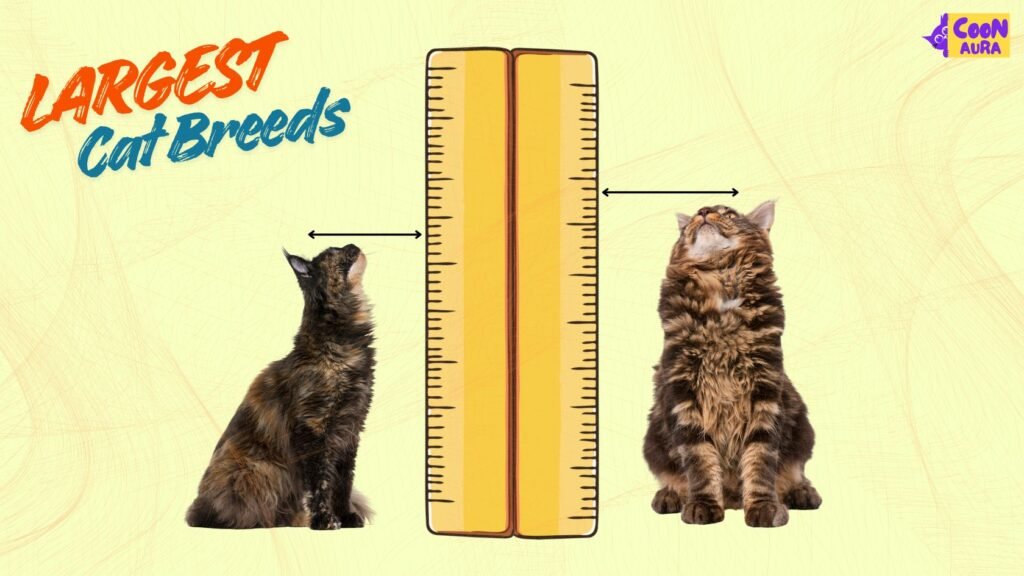
Size is quantified typically by weight, length, height, tail length, and muscle density. Most domestic cats weigh around the median of 8 to 12 pounds meanwhile the larger breeds commonly weigh 15 to 25 pounds and above. Furthermore, certain breeds like the Savannah or African Serval crossbreeds tend to break the norm even further because of an added genetic mutation or because of their wild ancestors.
In addition to increased weight, larger breeds also have:
- Increased size of their paws and length of their tails
- Increased likelihood of an athletic build for predation
- Extended patterns for their growth and developmental cycles (3 to 5 years)
- Increased dietary needs for nutritional intake
These larger breeds require fulfill of their enrichment and spatial needs through the addition of branches and levels to climb. Additionally, structures like cat trees, cat wall shelves, toys and various games are also beneficial.
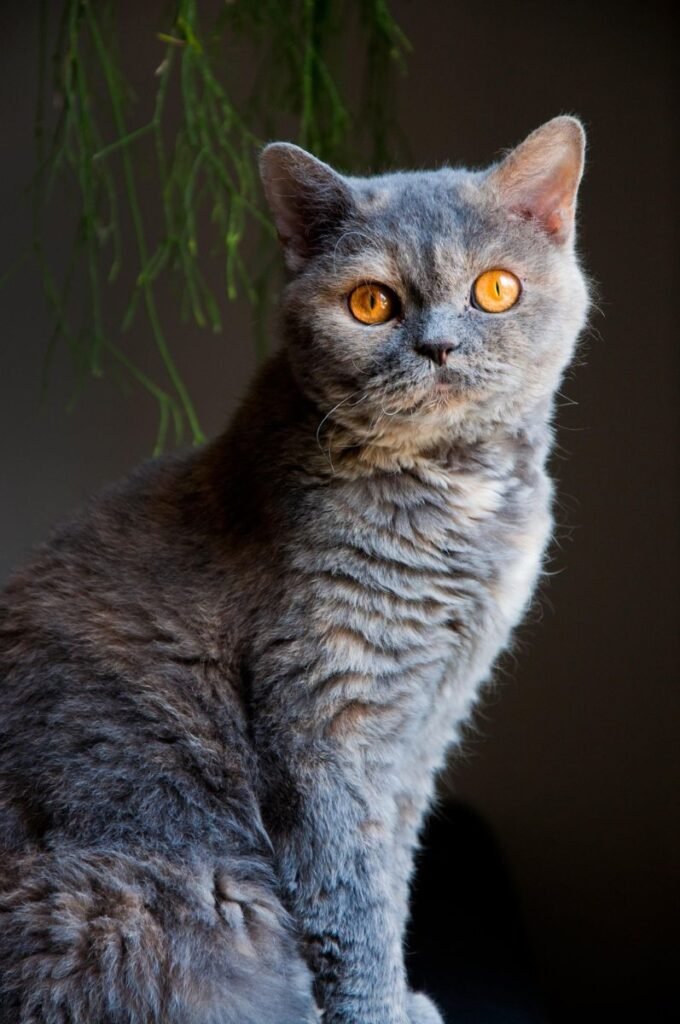
10) Selkirk Rex: The Gentle Giant with Curly fur
Selkirk Rex cats are easily recognizable because of their round bodies and curly fur. They aren’t the largest breed, but they do often grow large and stocky, and their weight can reach 12 to 16 lbs.
They are also well known for their affectionate nature and easy going personalities. These cats are known to love and give lots of affection.
To make sure their fur doesn’t get tangled, these cats need to be brushed. They also love interactive cat toys. These cats are a great choice for people looking for a unique cat with an easy going and friendly personality.
9) American Bobtail: Stout, Loyal, and Dog-Like
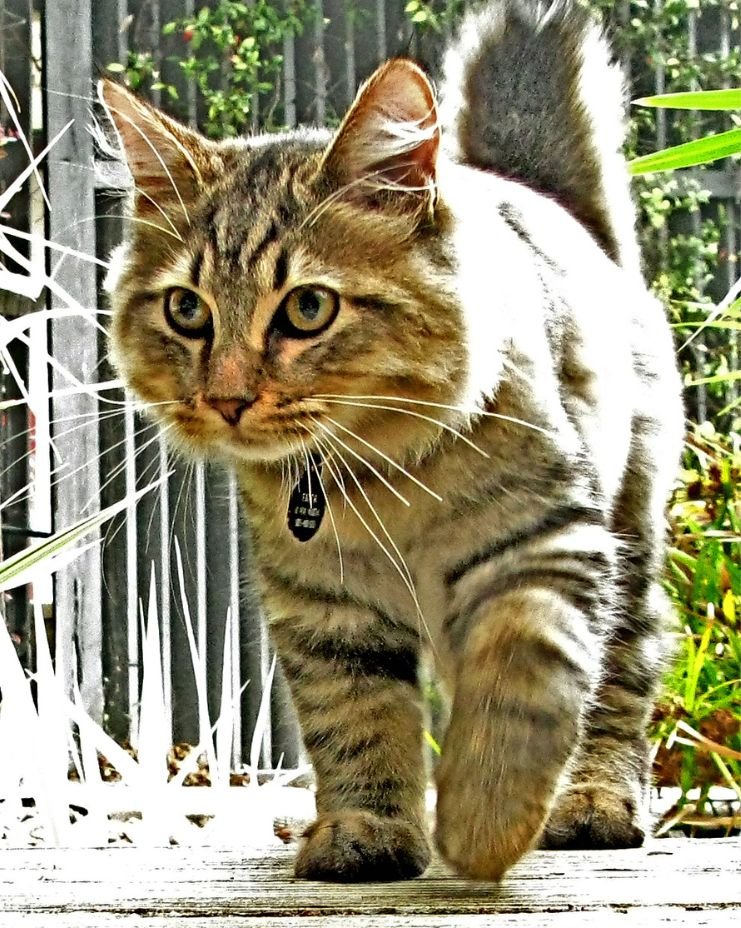
The American Bobtail is a strong, medium to large-sized cat characterized by a short tail and a solid, stocky build. They usually weigh between 12 and 16 lbs and have a wild look and a gentle, loving personality.
Unlike most other cat breeds, these cats are very social, intelligent, and loyal. They have been compared to dogs as they enjoy games, learn tricks, and can even walk on a leash. Because of their adaptable nature, they can live with kids and even dogs.
American Bobtails are calm, confident, and deeply bonded with their owners. They require only moderate grooming, but due to their thick hair, they will benefit from joint support and play.
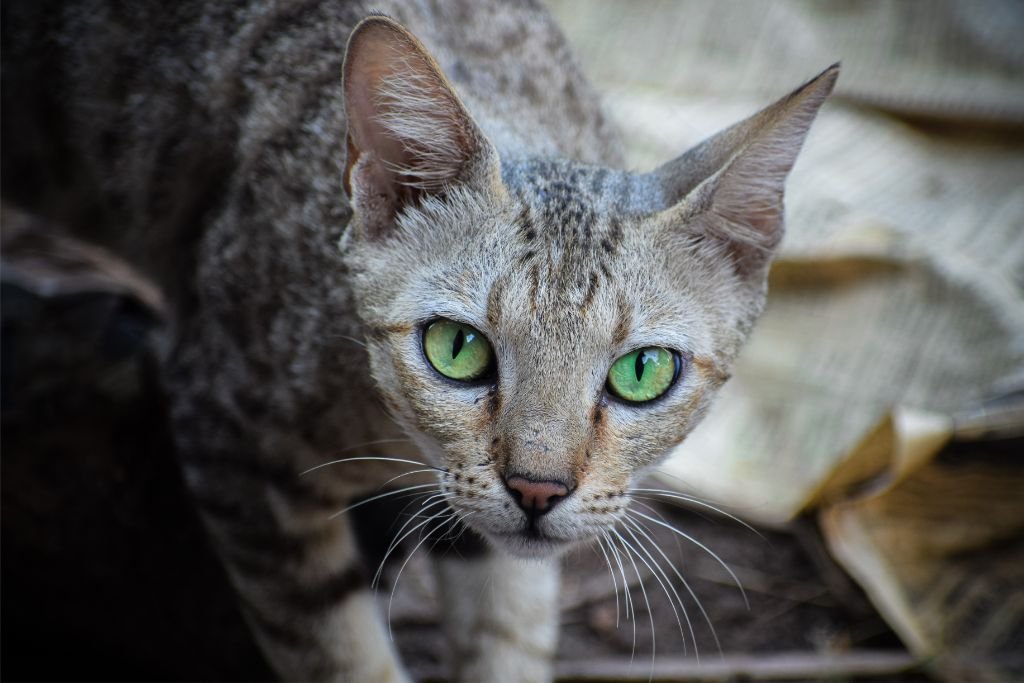
8) Serengeti: The Elegant Giant With a Wild Look
The Serengeti is a domestic breed developed to look like the wild looking Savannah cat, which means it has no wild African leopard in its genealogy. This breed has very long legs, large ears, and a spotted coat and in general, it looks wild. Adult cats of this breed weigh on average 12 – 18 lbs.
They are very social, active, and curious. They love to run, jump, and explore all the way up to the highest places in the home. Serengeti’s like homes with climbing shelves, tall cat trees, and many interactive toys to keep them busy.
They are also affectionate and enjoy being around people. These pets bond strongly with their owners and will follow them from one room to another. Playful pets go well with active households.
7) Bengal: Athletic, Energetic, and Leopard Lookalike
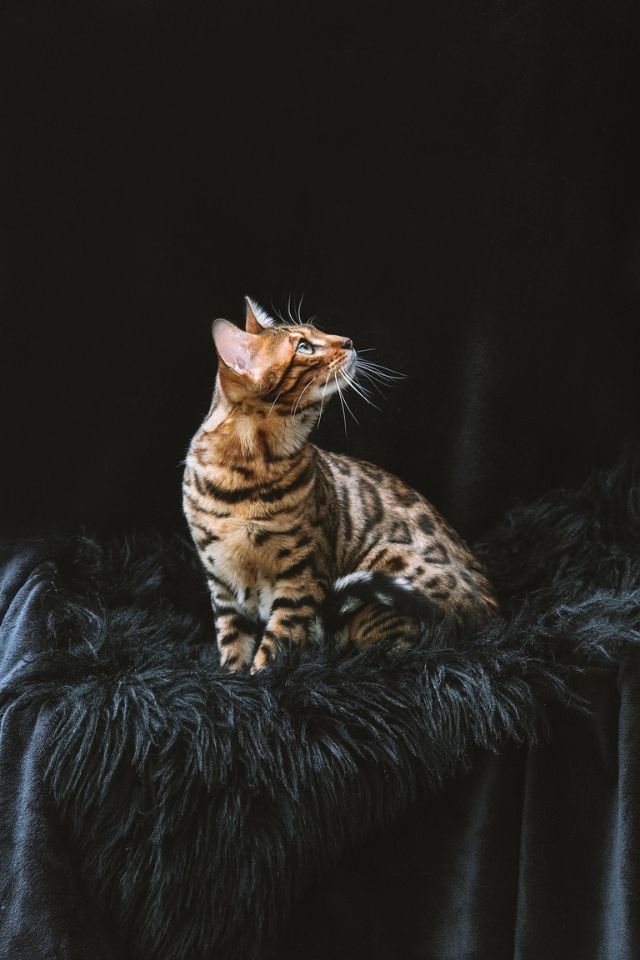
The Bengal cat is well known for having the wild, leopard look and also the active personality to go with it. Although they are not the largest, they are one of the longest and most muscular and agile cats. They usually weigh between 12 and 18 lbs.
Bengals are natural born climbers and runners and also love to hunt. They enjoy activities with their humans. If they don’t have enough activity, they will get bored and start destroying furniture and other items. This breed does well in homes that have a variety of activities, puzzle toys, and a good amount of time for interactive play.
Their strong, intelligent, and confident personality makes them great for experienced owners. Due to their high food demands, energy is best managed through portion control and a balanced diet to avoid excessive weight gain and digestion.
6) Siberian: Strong, Agile, and hypoallergenic.
Siberians are powerful large breed cats. They are athletic with a thick triple coat and a playful nature. They come from cold weather climates and their dense fur provides protection from the elements. Mature Siberians average between 13 and 20 lbs.
Cats can easily be trained for jumping and climbing, and can easily be trained to participate in interactive play for cat tree climbing, wall climbing, and jumping activities. Puzzle feeders, interactive cat feeders, and clicker training are great ways to engage Siberian cats and keep them active.
In spite of their volume, Siberians are very calm and gentle. Siberians also have lower concentrations of some allergens and are therefore more appropriate for some families with allergy concerns. Siberians require regular protein in their diet and regular activity to stay healthy.
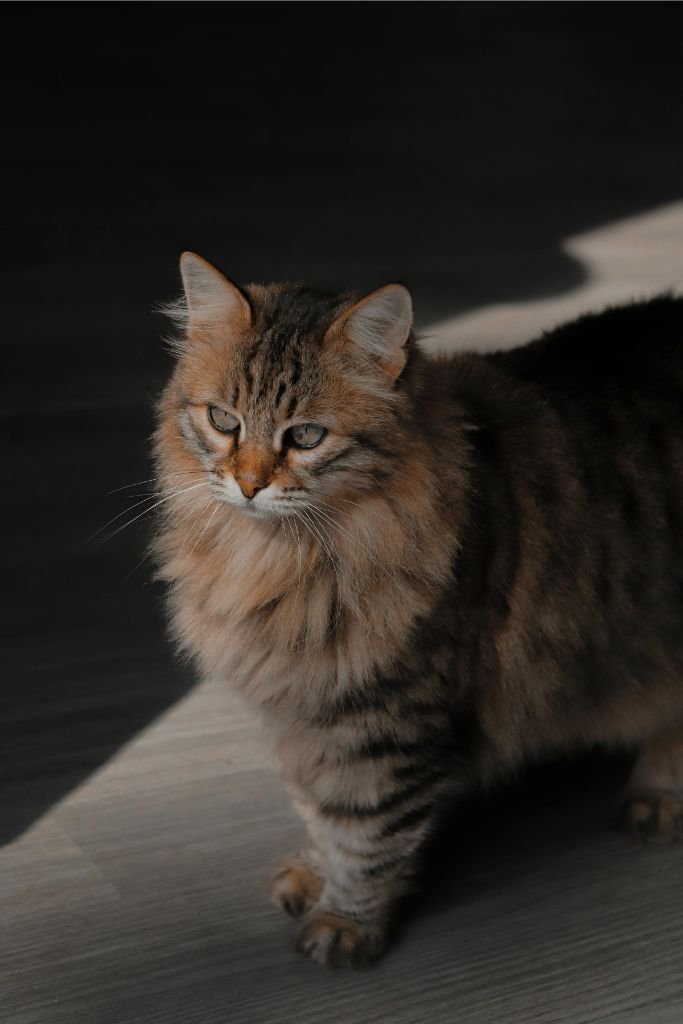
5) Ragamuffin: The Plush Companion Giant
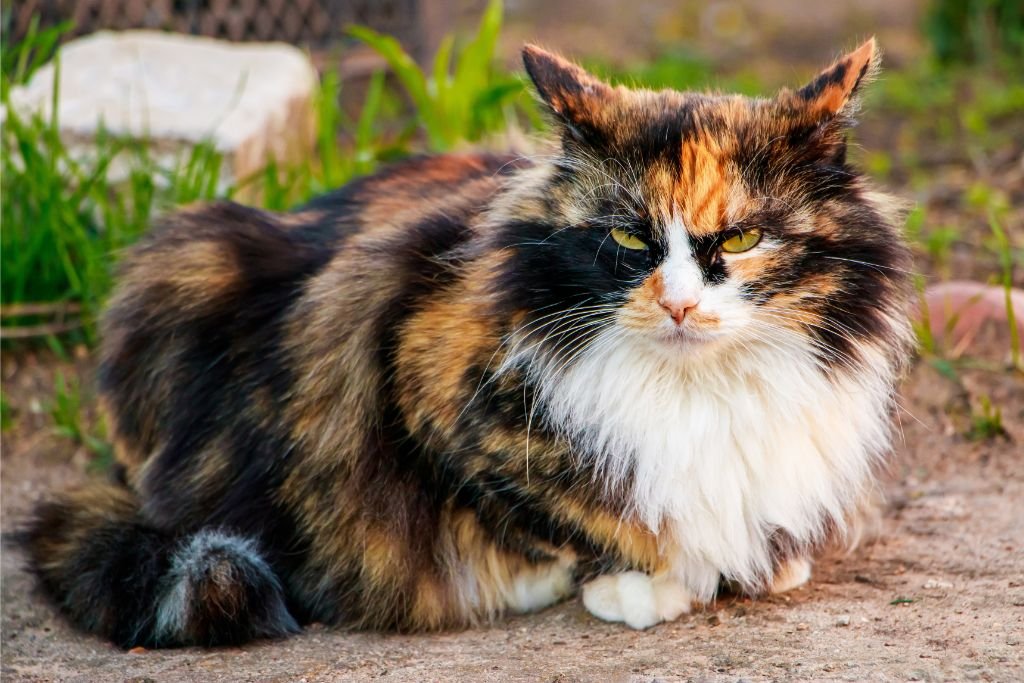
Maine Coons and Ragamuffins cats are both very social and calm cats. The Ragamuffin cat poses some distinction, and is a bit heavier, fluffier, and also more social. They are created by crossing a Ragdoll with other longer-haired cats to help with introduced hybrid vigour and overall health.
They are large fluffy cats, typically in the upper range of 15-20 lbs if not more, and grow very slowly, not reaching full size until around age 4. Their design is of a gentle, easily socialized, and friendly disposition, making them very suitable as a family companion.
They’re fond of interactive toys, playtime, and the focus of their owners, but are not needy. Due to their size and the thickness of their coats, they require regular brushing to prevent furballs and mats. They also are well suited to small spaces due to their easy going nature.
4) Ragdoll
Ragdolls are one of the most well known large breeds of cat. They are 15 to 20 pounds and have large striking blue eyes. Males are of course larger and heavier than females. A Ragdoll is gentle, and loving and is known as a “puppy type” cat. They like being carried and follow their owners around the house. Ragdolls have a medium length coat that is low shedding. They are ideal for families and small children. Ragdolls prefer to live indoors where they are safe.
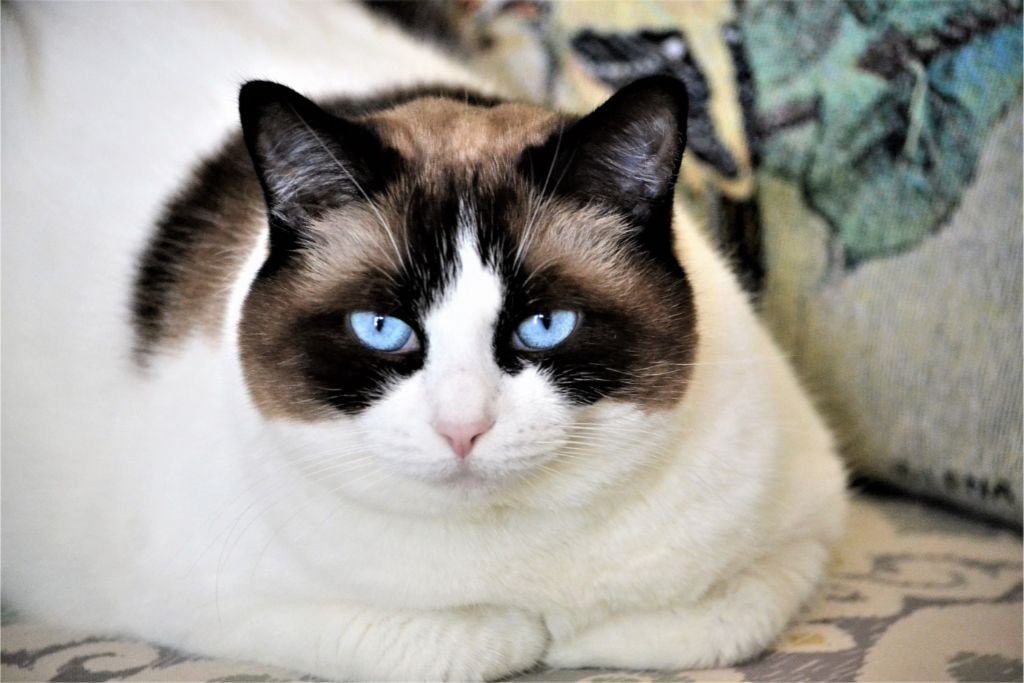
3) Norwegian forest cat (Wegie)
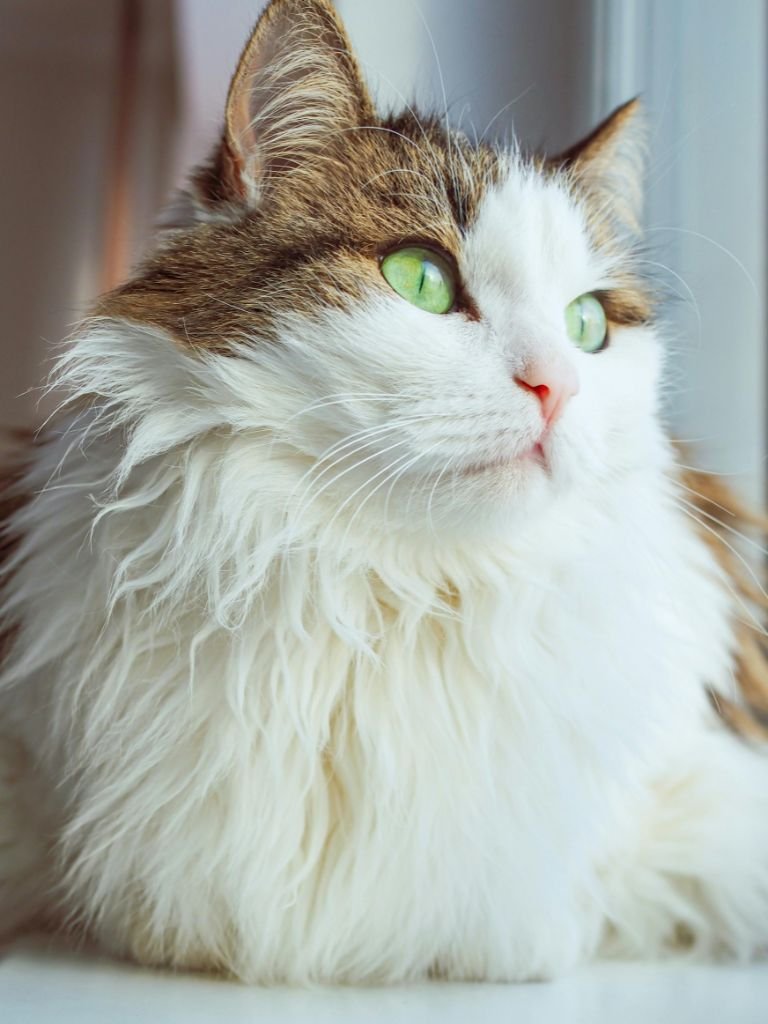
The Norwegian Forest cat also called Wegie, as its commonly known, descends from the cold wooded areas of Russia and Scandinavia, and its shows! Wegies have thick tails and Norwegian coats to stay warm while climbing. They have a calm, and independent disposition and love to climb and play in a nature inspired way.
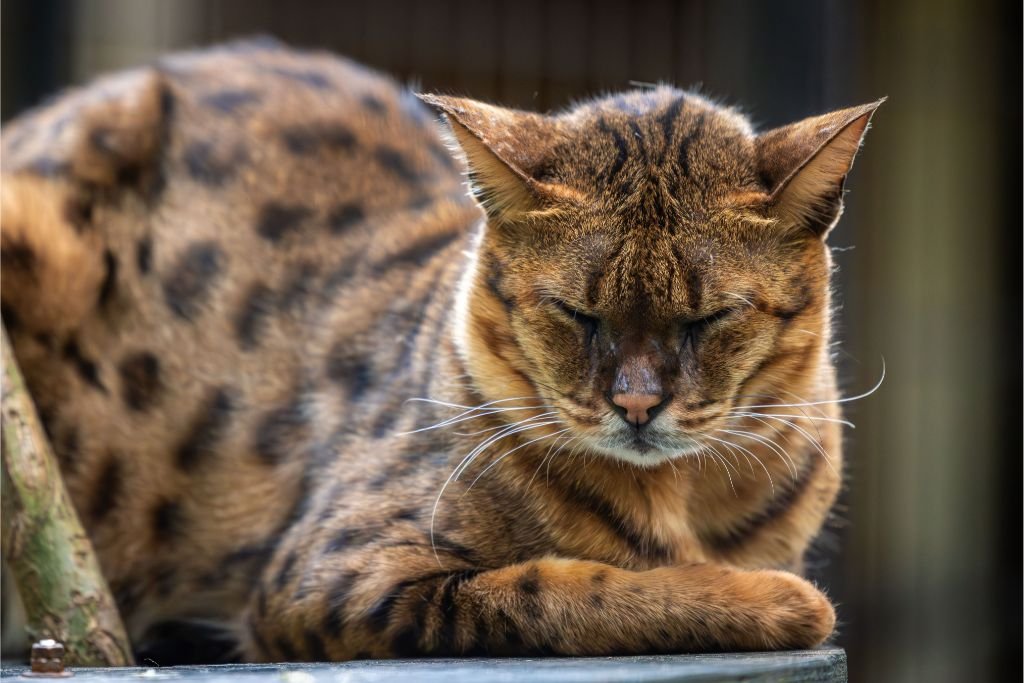
2) Savannah: The Wild Giant
energy, and have long legs, and a spotted leopard pattern.
They need:
- Enrichment
- Cat wall shelves
- Interactive toys
- Clicker training
This breed isn’t for small apartments but their reputation for loyalty and intelligence is unmatched.
The Savannah is a hybridization of domestic cats and the African Serval. They are athletic hunters with high
1) Maine Coon: The King of Size & Love
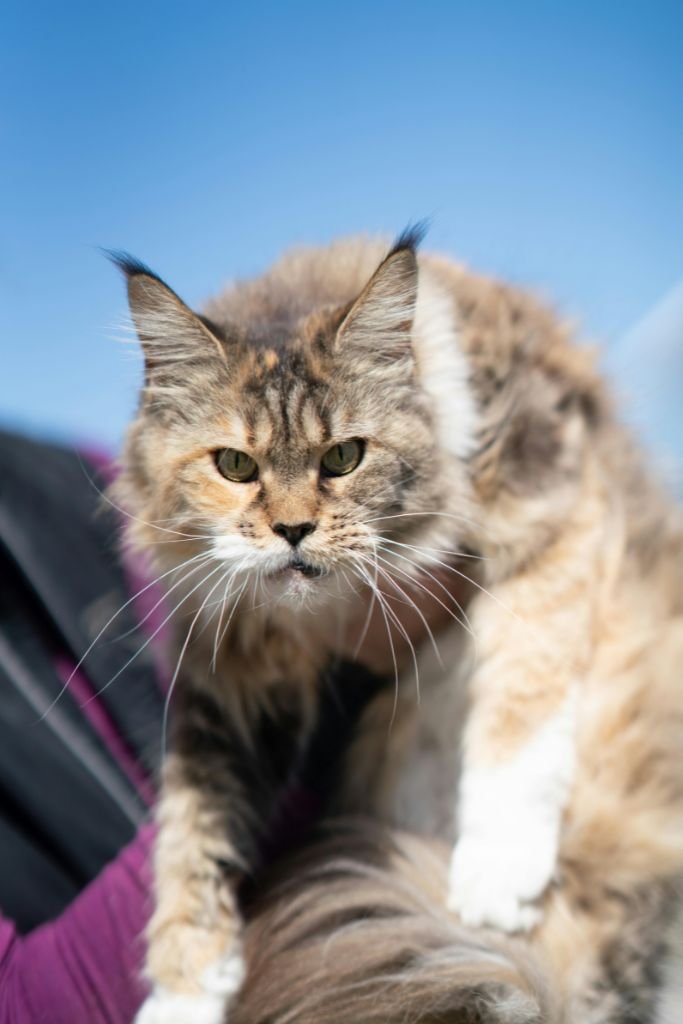
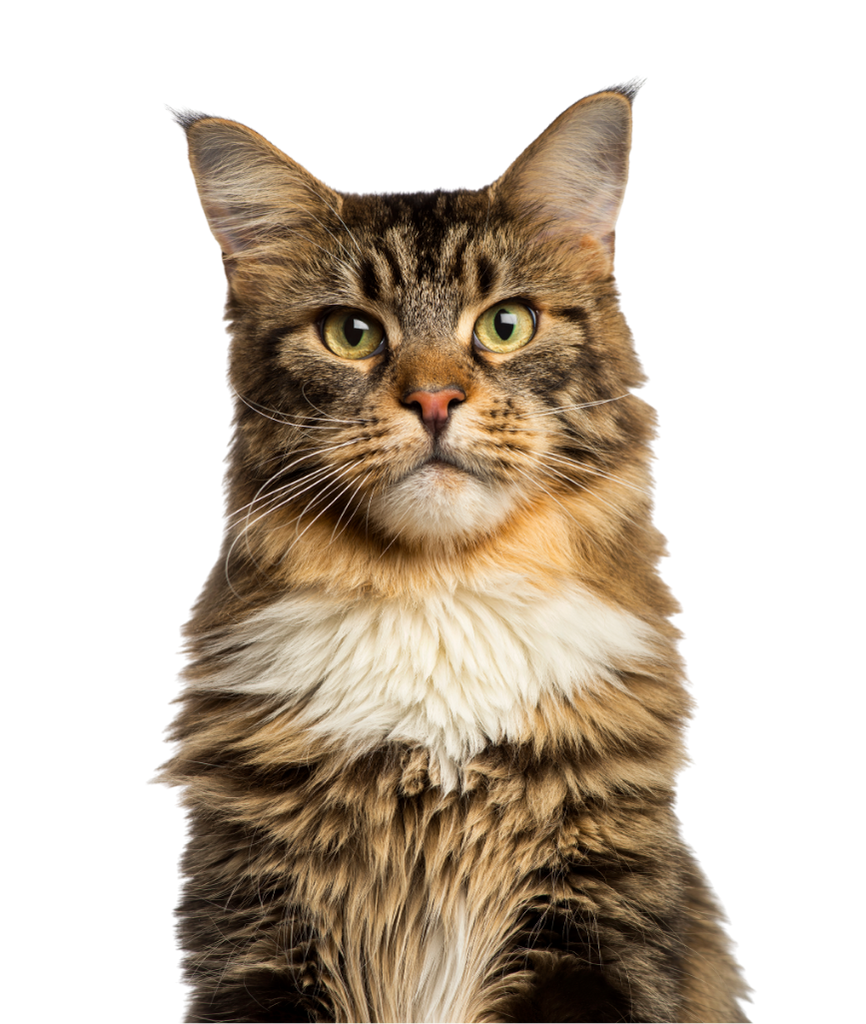
The Maine Coon is the most well-known from the largest cat breeds. With tail fluff, a lion like mane, and a friendly personality, they do well in families with children, dogs, and other cats. Because of their size, they benefit from joint supplements, controlled food portions, and exercise to prevent obesity.
They enjoy climbing, clicker training, grooming, and they love to play. Learn more about their care in our guide:
Top 10 Largest Cat Breeds by Weight and Size
| Breed | Avg Weight | Temperament | Notes |
| Maine Coon | 15–25 lb | Friendly, playful | Gentle giant, family Favorite |
| Savannah | 12–25+ lb | Active, bold | Leopard look, crossbreed |
| Norwegian Forest (Wegie) | 13–20 lb | Calm, loyal | Thick fur, cold climate roots |
| Ragdoll | 15–20 lb | Sweet, floppy | Great companion |
| RagaMuffin | 15–20 lb | Affectionate | Calm, fluffy |
| Siberian | 13–20 lb | Intelligent | Strong, agile |
| Bengal | 12–18 lb | Energetic | Leopard pattern, playful |
| Serengeti | 12–18 lb | Curious | Savannah look, domestic |
| American Bobtail | 12–16 lb | Social | Short tail, sturdy |
| Selkirk Rex | 12–16 lb | Gentle | Curly fur |
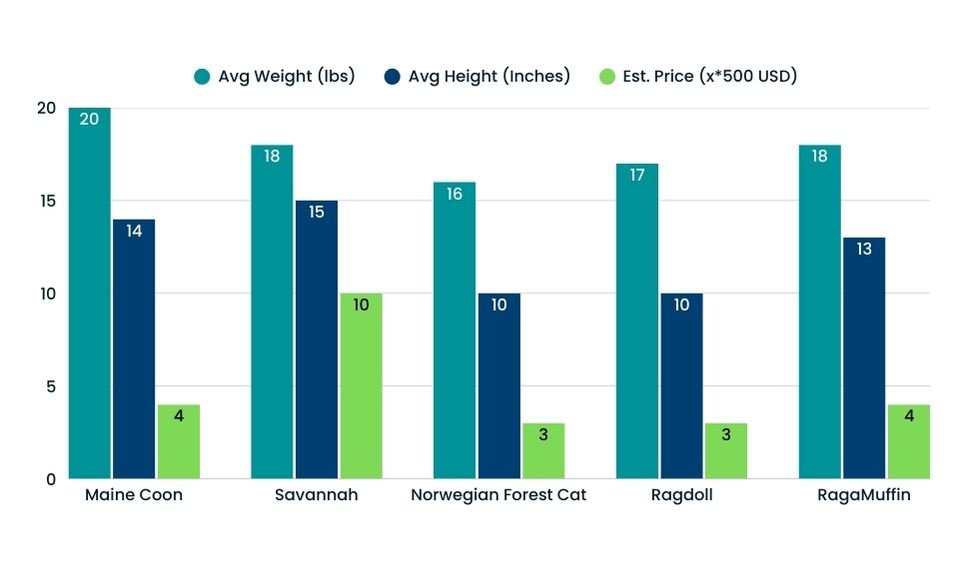
Comparison Chart by Size and Price of Top Cat Breeds
Caring for Large Cats: What’s Different?
Nutrition & Weight Control
Large cats require high-protein food, balanced nutrition, and portion control. Overfeeding leads to obesity, joint pain, and diabetes.
Joint Health
More body weight increases the pressure placed on the joints. To help ease the stress, consider the following options:
- Joint supplements
- Omega fatty acid supplements
- Regular exercise
Space & Enrichment
To increase exercise and enrichment, consider adding:
- Cat trees
- Cat wall shelves
- Climbing towers
- Litter boxes specially designed for large cats
Health Issues to Watch
When caring for large cats, there are several health issues to keep an eye on, including:
- Joint issues
- Obesity
- Furballs
- Allergens in the fur
- Digestive issues
Large cats are at risk for the issues mentioned above. However, regular brushing, bathing, and an appropriate diet can help mitigate the risks to large cats.
Are Large Cats Friendly?
Yes! Most giant breeds are:
- affectionate
- gentle
- happy
- playful
- loyal
- great companions
When socialized early, they can get along with dogs and cats.
Price & Consideration
| Breed | Avg Price |
| Maine Coon | $800–$2,500 |
| Savannah | $2,000–$10,000 |
| Norwegian Forest | $900–$2,000 |
| Ragdoll | $800–$2,000 |
Before adopting a large cat, consider the nutrition, supplies, veterinary costs, and other commodities necessary for large cats.
FAQs (People Also Ask)
Are Maine Coons the largest domestic cats?
Yes, they are the largest domestic breed.
Do large cats need special food?
Yes, higher in protein along with joint supplement food.
Can big cats live in apartments?
Yes, with vertical space and other enrichment.
Are Savannah cats legal everywhere?
No, they are illegal in some states.
Do large cats shed a lot?
Yes, regular brushing helps.
Big cats and kids, are they compatible?
Generally, they tend to be calm and nice.
What about big cats and dogs, do they get along?
Yes, if introduced the right way.
The largest cat breeds offer beauty, companionship, and personality in an impressive package. Whether you choose the majestic Maine Coon or the exotic Savannah, your giant feline will bring joy and character to your home.
For expert care guides, food tips, and breed comparisons, explore more at CoonAura.