HOME
Maine Coon Care
Maine Coon Care Made Simple
Everything you need to keep your Maine Coon healthy, happy, and thriving—designed specifically for this gentle giant breed.
Why Maine Coons Need Specialized Care
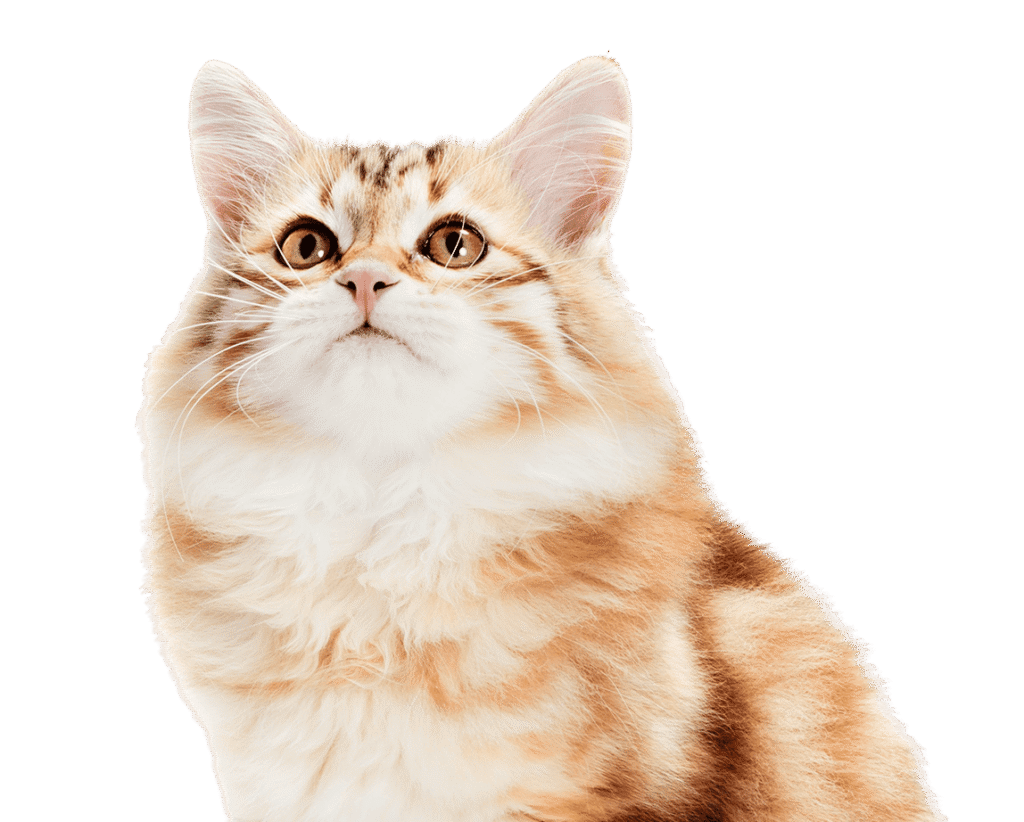
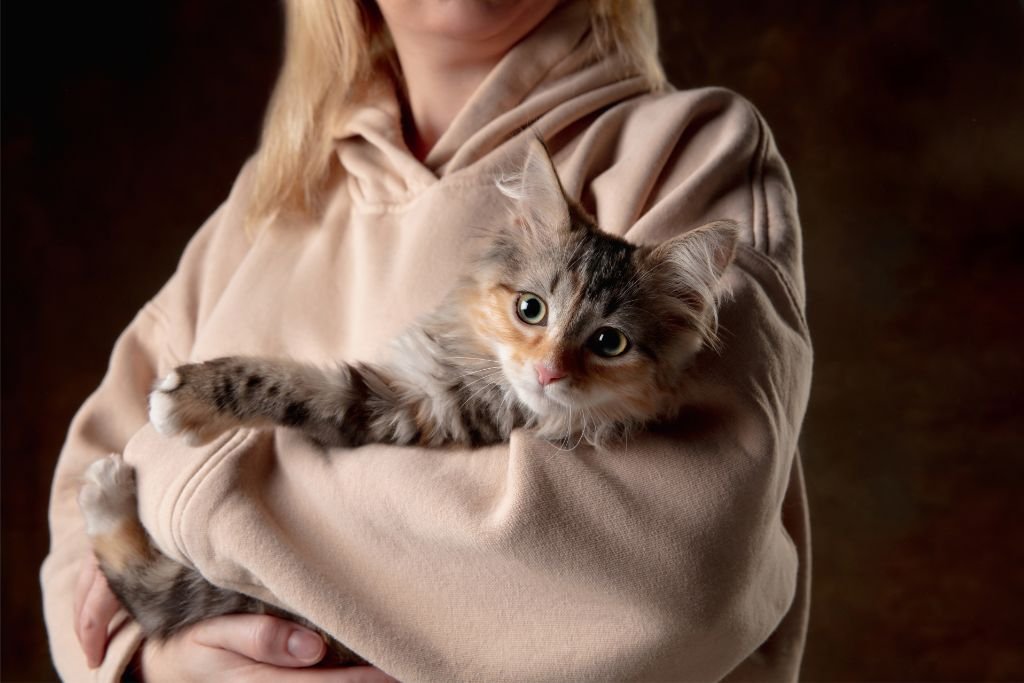
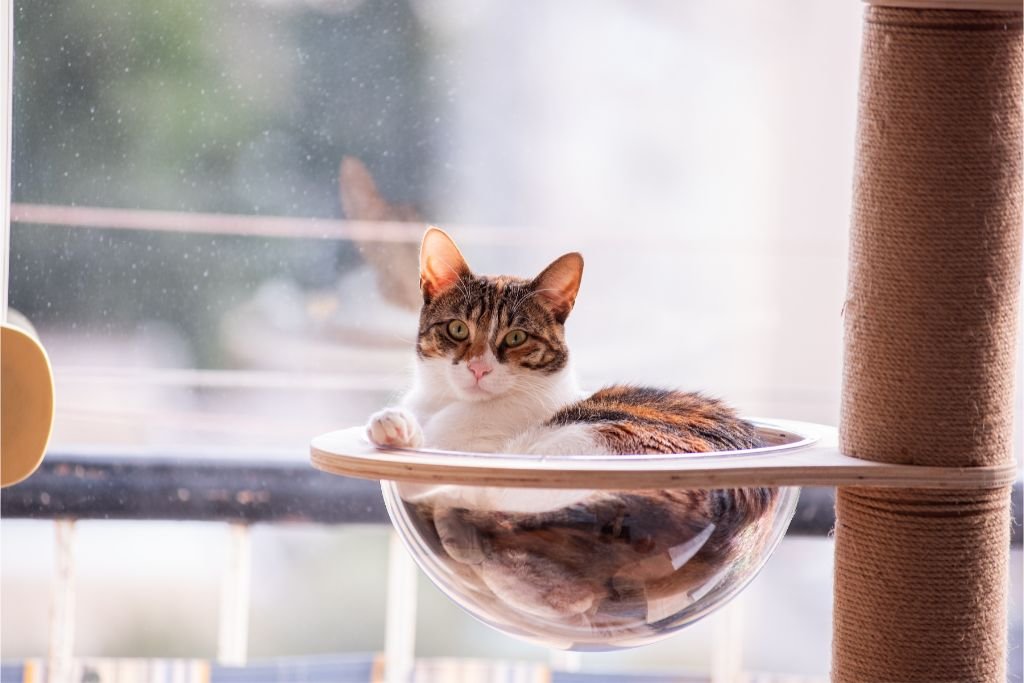
Maine Coons are not just larger cats, they have unique grooming, nutrition, and lifestyle needs. Their long coats, muscular build, and social nature require tailored care routines that go beyond general cat advice. Understanding these differences is key to supporting their long-term health and happiness.
Care Essentials for Your Cat
Maine Coon Care Pillars

Daily Care
- Feeding routines, hydration, activity, and daily observation.
- Small daily habits help prevent major health issues.

Health & Wellness
- Vet visits, weight management, vaccinations, and monitoring.
- Early awareness leads to longer, healthier lives.

Environment & Comfort
- Spacious living, scratching areas, and mental stimulation.
- Comfortable environments reduce stress and boredom.

Behavior & Training
- Playtime, bonding, and positive reinforcement techniques.
- Maine Coons thrive on interaction and routine.
MAINE COON CARE STAGES

Care By Life Stage
Customized care instructions for each life stage of your Maine Coon, from a Bubbly Kitten to a Wise Senior.
Maine Coon Kittens
(0–12 Months)
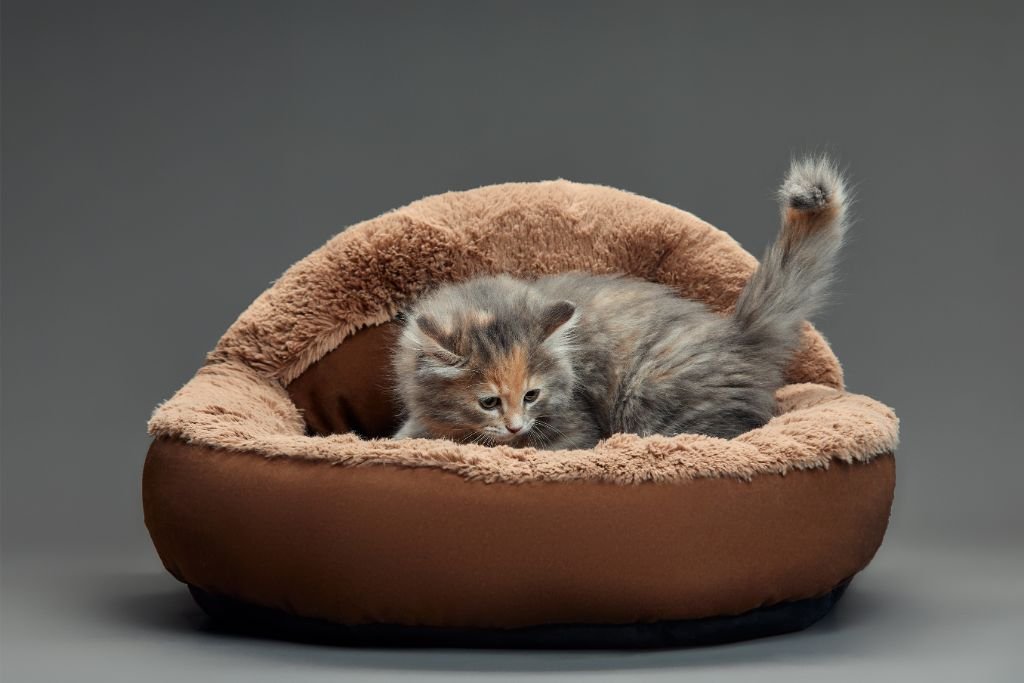
- High-protein diet
- Small, frequent meals
- Early grooming and brushing habits
- Safe play to build strength
- Litter training with large boxes
- Regular vet visits and vaccinations
- Social bonding and gentle handling
Adult Maine Coons
(1–7 Years)
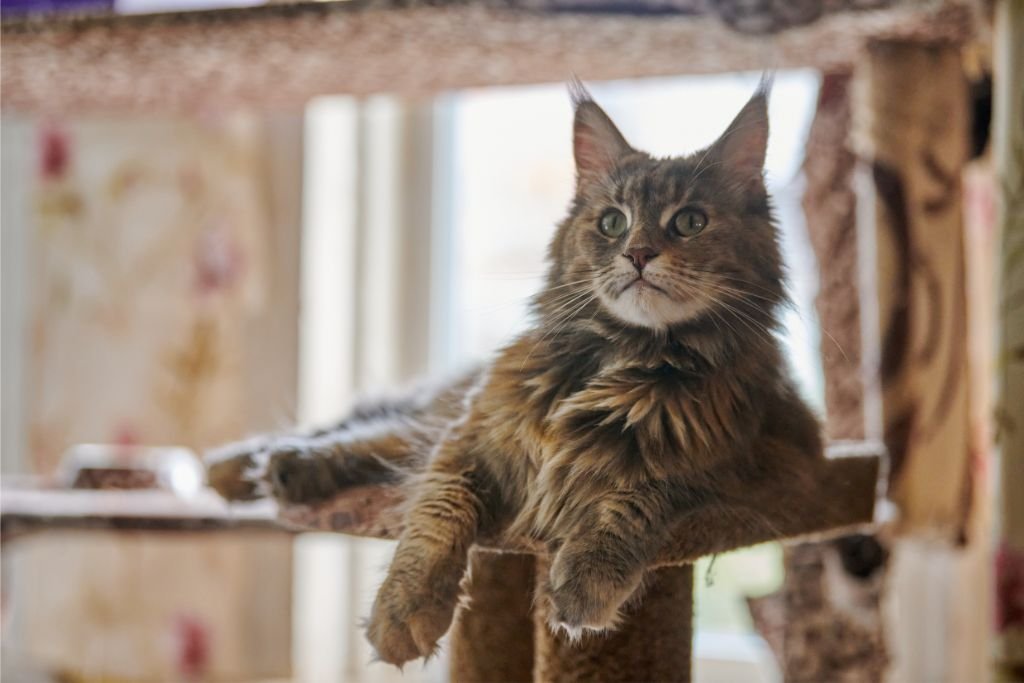
- Balanced diet with controlled portions
- Consistent feeding schedule
- Regular brushing to prevent matting
- Daily play for muscle and joint health
- Mental stimulation through toys
- Routine health monitoring
- Comfortable sleeping and resting areas
Senior Maine Coons
(7+ Years)
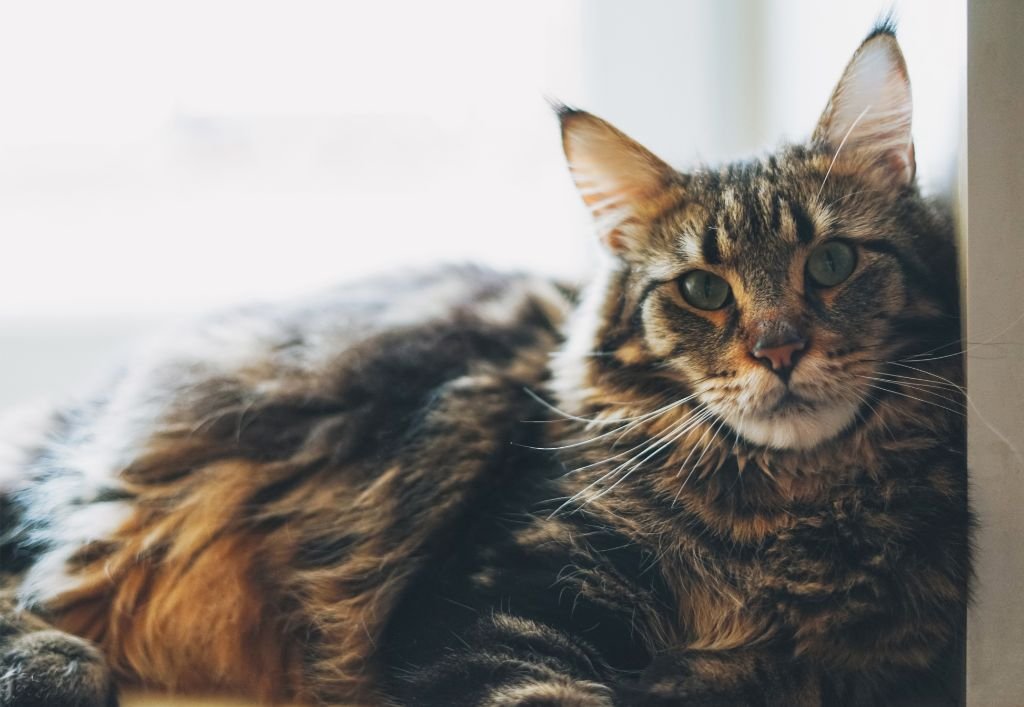
- Diet adjusted for aging and metabolism
- Joint and mobility support focus
- Short, gentle play sessions
- More frequent grooming assistance
- Regular vet checkups and screenings
- Comfortable, warm resting spaces
- Close monitoring of behavior changes
Common Maine Coon Care Mistakes
Even owners with the best intentions can make mistakes when taking care of a Maine Coon. If these mistakes are identified and understood, it can be helpful in avoiding potential issues in the future.
Yes, Maine Coons are big, but that doesn’t mean they need unlimited food. Obesity, joint strain, and heart problems can occur, and are all serious issues. Ensure that there is portion control and proper nutrition.
Their long and thick coats can lead to a number of issues if not properly maintained. Mats, skin issues, and excess shedding are some of the issues that can occur. Regular grooming can also help you spot skin issues early on.
Maine Coons often use litter boxes, scratching posts, and beds that are not up to their standards. Small or inappropriate equipment can lead to stress, discomfort, and poor litter box habits.
The Maine Coons are very social, and they also need a lot of stimulation. If there needs are not met, then there can be issues like destructive behaviors, boredom, and anxiety.
Making sure you take your Maine Coon to the vet is very important. Unless you notice a behavior change, you should still be routinely taking your Maine Coon to visit the vet. If you need to take them to the vet, make sure to go early.
Make sure you are not comparing Maine Coons to the rest of the cats. Since they are such big cats, their needs for their big size and their social needs should be detained.
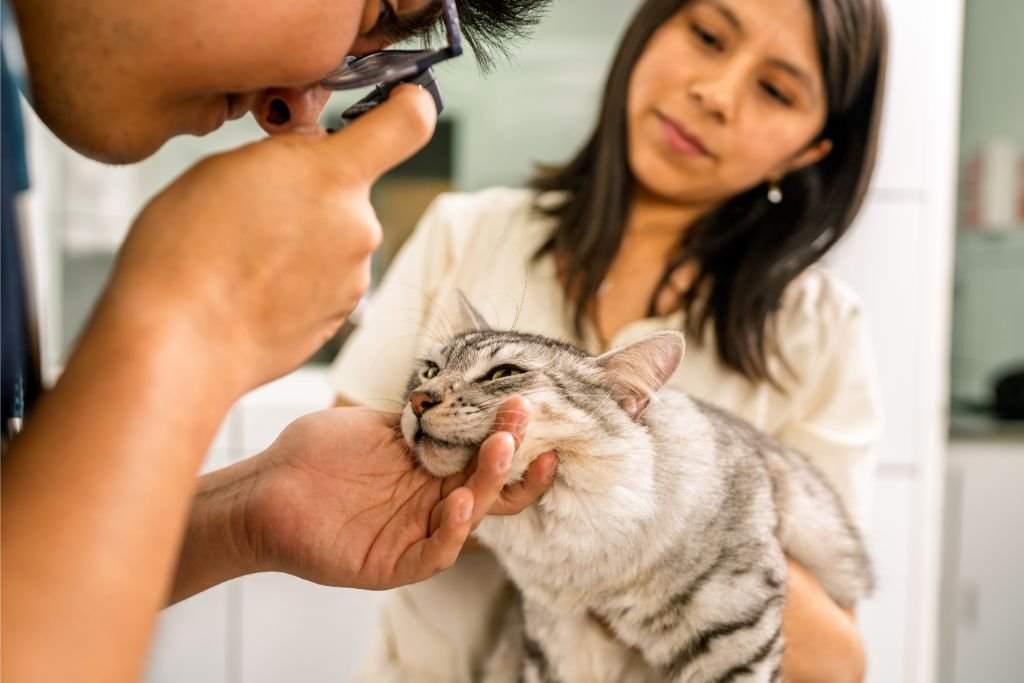
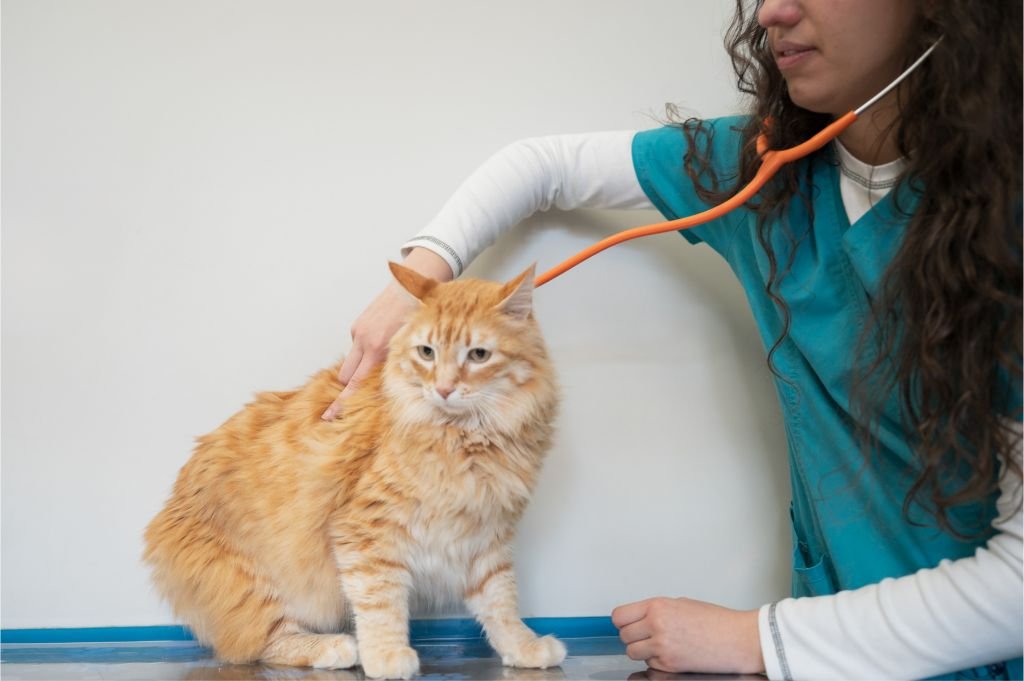
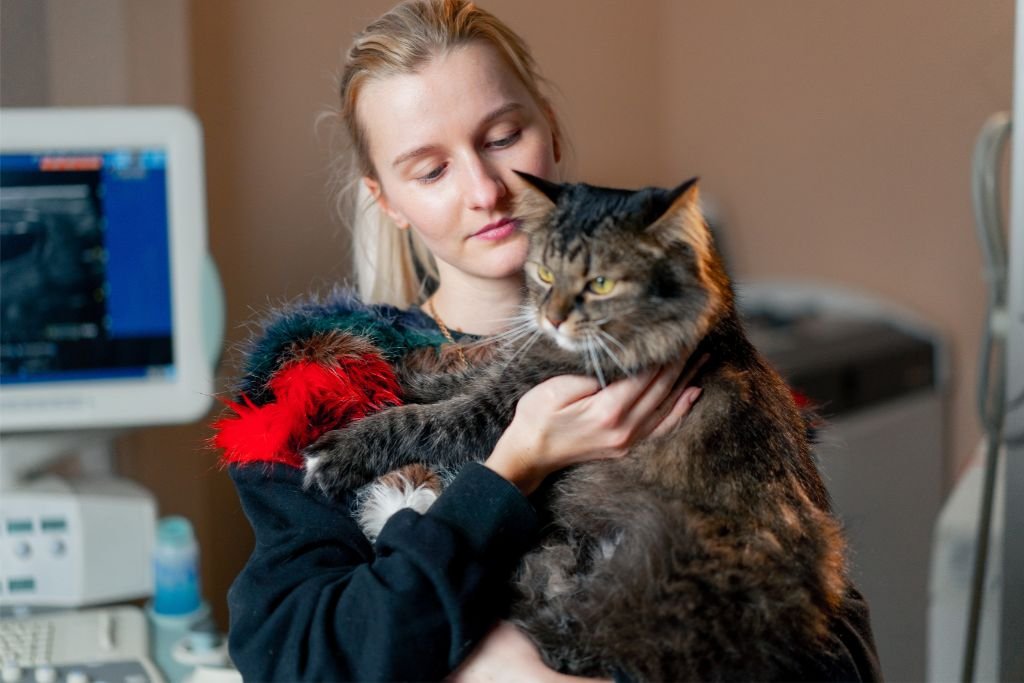

Essential Care for your Maine Coon
Essential Care Tools
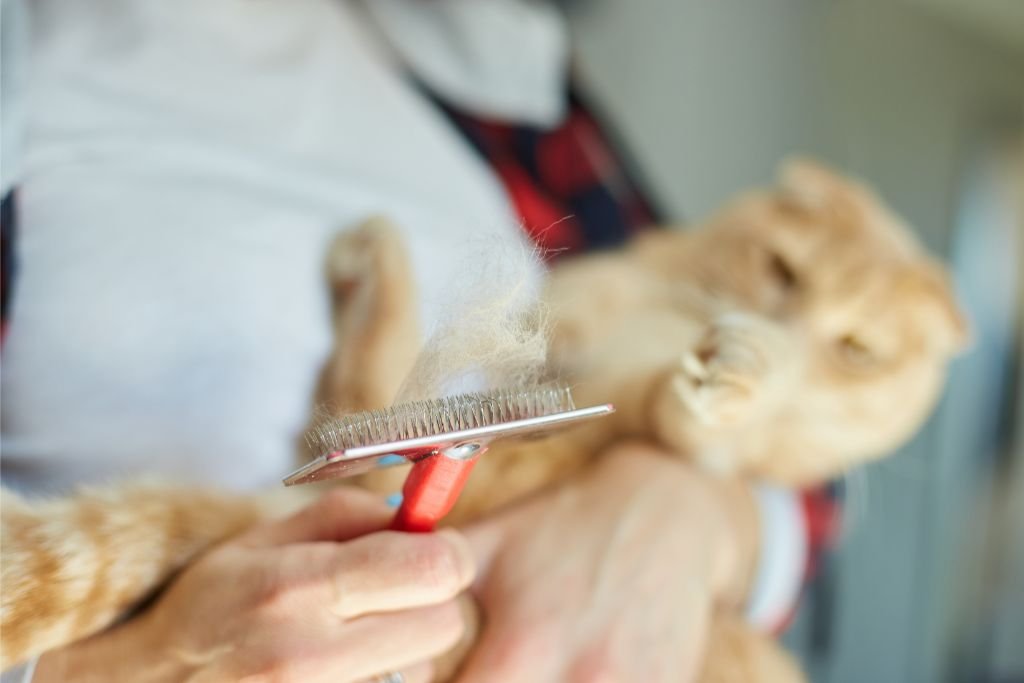
Grooming Brushes & Combs
Expertly crafted to smooth dense coats, avoid tangles, and lessen shedding.
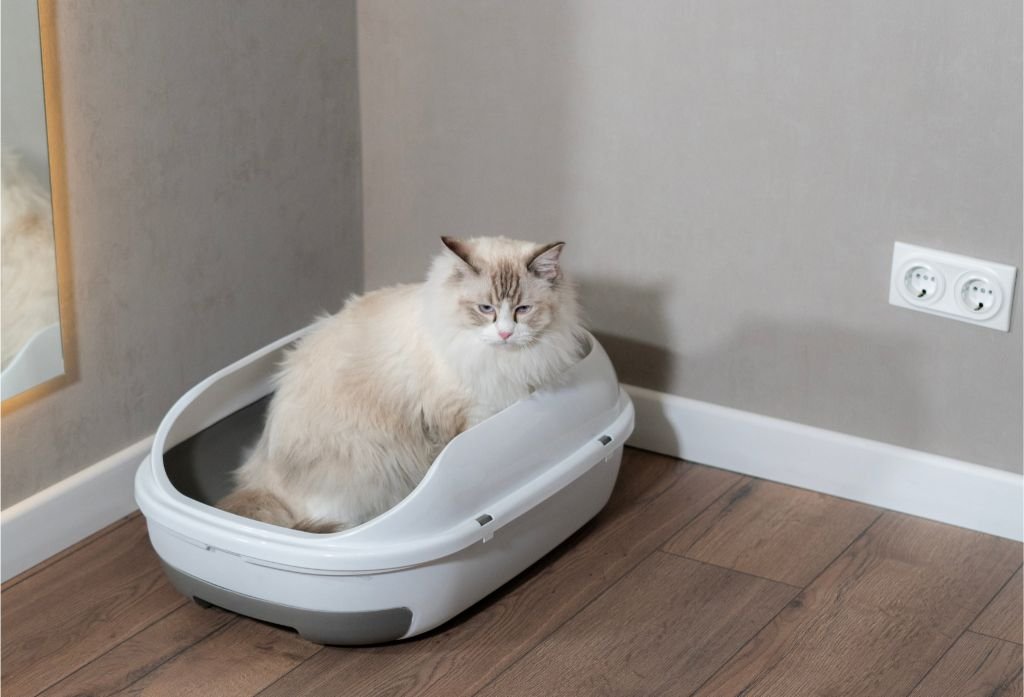
Large Litter Boxes
More room means better posture, and less mess.
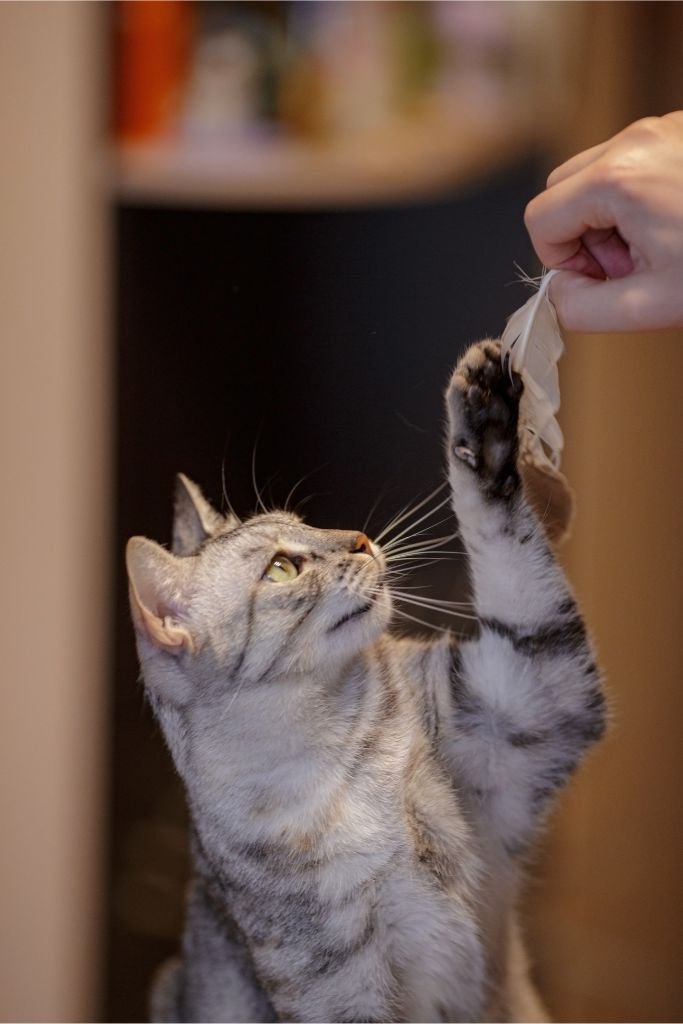
Interactive Toys
Promote mental stimulating play and daily exercise.
Elevated Food & Water Bowls
Optimize feeding posture and reduce strain on joints.
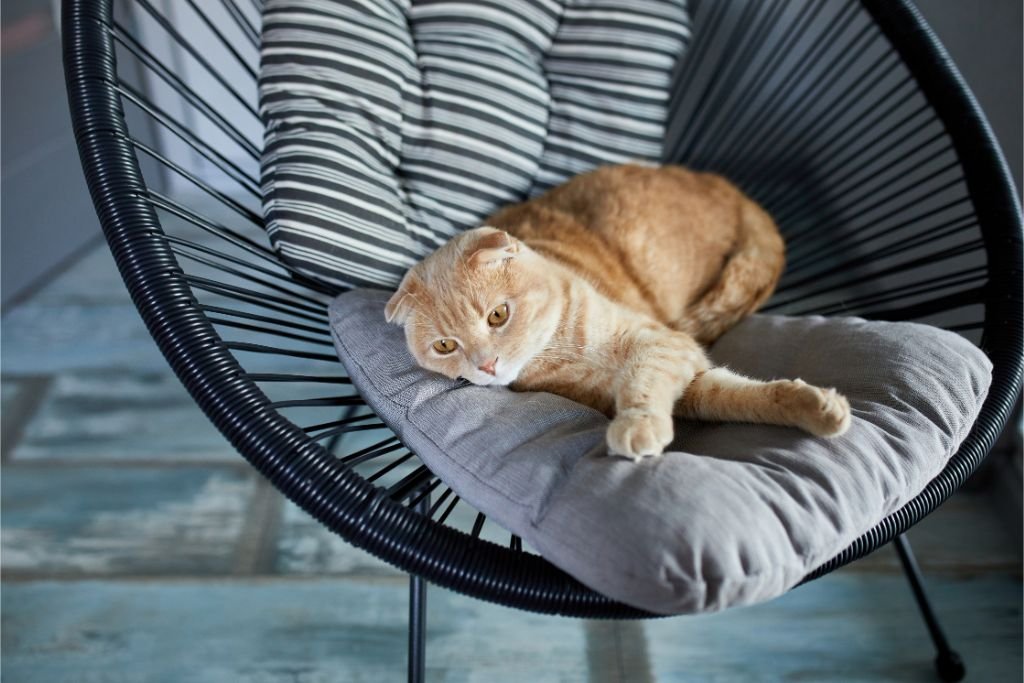
Spacious Beds
Provide adequate support and rest for larger cats.
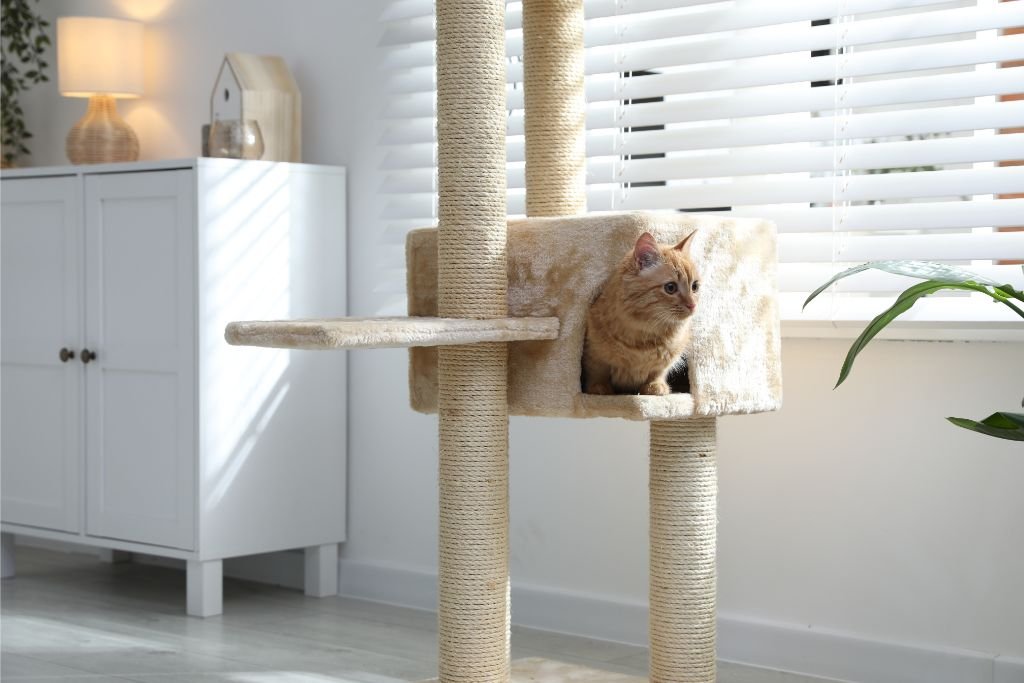
Cat Trees & Climbing Towers
Encourage vertical movement and exercise with natural climbing instincts.
Why Us?

Why Trust CoonAura?
The needs of Maine Coon cats are the sole focus of CoonAura. We don’t provide general pet advice; rather, each resource, recommendation, and guide is made with this particular breed in mind. Because we specialize in Maine Coons, we are able to offer owners who wish to give their cats the best care possible more precise and pertinent advice.
Our content is created using expert insights, breed-specific research, and firsthand accounts from Maine Coon owners. To make sure our recommendations are useful, accurate, and practical, we thoroughly examine publicly available data, product specifications, and customer feedback.
Safety, comfort, quality, and value are our top priorities when making product recommendations. Our goal is always to assist you in making confident, well-informed decisions for your Maine Coon, and affiliate relationships never affect our opinions.
CoonAura’s mission is to encourage responsible pet ownership by providing honest education, openness, and care-first advice so you can concentrate on creating a happy, healthy life with your cat.
QUESTIONS
Popular FAQs
Expert-reviewed answers to frequently asked Maine Coon care questions, designed to save time, reduce mistakes, and support long-term feline wellness.
Maine Coons should be brushed two to three times a week to avoid matting and shedding. When shedding season occurs, daily brushing is beneficial. Grooming allows owners to examine their skin, coat, and identify potential parasites.
Maine Coons do not need a prescribed diet, but do need to be monitored as their sizes require high protein foods. Maine Coons also need controlled portions to avoid obesity.
Maine Coons are indoor cats, and they adapt to indoor spaces when there is enough room, interaction, and enrichment. Keeping your Maine Coon stimulated can be aided with interactive toys,* cat* trees, and window perches.
Maine Coons are among the biggest domestic cat breeds with adult males weighing between 13 and 18 pounds. A smaller weight class is designated to females. Maine Coons can grow larger than the typical size due to diet and genetics.
All breeds of cats possess the possibility of having certain health problems. Maine Coons may be prone to problems like HCM (hypertrophic cardiomyopathy) and hip dysplasia. These risks can be managed with regular veterinary checkups and early monitoring.
© 2025 CoonAura.com | Affiliate Disclosure Included