

Table of Contents
Many people love the idea of pet cats; however, allergies spike. For people with feline allergies, cats can trigger sneezing, runny nose, and, at times, the cats can trigger a full-on asthma attack. Because of this, it is common to explore hypoallergenic cats.
One of the hypoallergenic breeds is the Maine Coons. Maine Coons are some of the largest cats with a more sociable temperament. But are Maine Coons truly hypoallergenic, or is this merely a common myth?
The National Institute of Health (NIH) estimates that more than seven million people are allergic to cats. Because of this, the term hypoallergenic is thrown around a lot. Although some breeds are hypoallergenic to some extent, it truly depends on the owner. Generally, hypoallergenic cats produce and shed lower amounts of protein that cause allergies.
What Does “Hypoallergenic” Actually Mean?
The term hypoallergenic is commonly used to describe products or animals that are less likely to cause allergic reactions, not completely free from allergens. Many people mistakenly believe that hypoallergenic means “allergy-free,” but in reality, it simply means the risk of triggering allergies is reduced, not eliminated.
When it comes to cats, being hypoallergenic generally means:
- They produce lower levels of allergen proteins (such as Fel d 1).
- Their allergens are less likely to spread around the environment.
- Some people may experience milder symptoms instead of severe allergic reactions.
It’s important to understand that all cat breeds produce allergens to some extent. There is no truly 100% hypoallergenic cat. Additionally, every person reacts differently to allergens, so tolerance can vary from one individual to another.
What Actually Causes Cat Allergies?
The believe that allergies to cats is a direct result of exposure to cat hair is an assumption very far from the truth. The main cause of allergies to cats is the proteins that are found in cat saliva, skin oil, and dander.
The bard of cat hair that causes allergies is really a fallacy. Cat hair acts as a carrier of the true allergens especially when the hair sheds.
Humans Online Cat allergies are a result of inhaling slivers of the fur that have been carried by the allergens to the air and to the things that people then inhale around them.
The following are typical examples:
- Rhinitis (sneezing and runny nose)
- Conjunctivitis (itchy eyes and tear secretion)
- Dermatitis (skin rashes)
- Asthma (chest tightness and asthma)
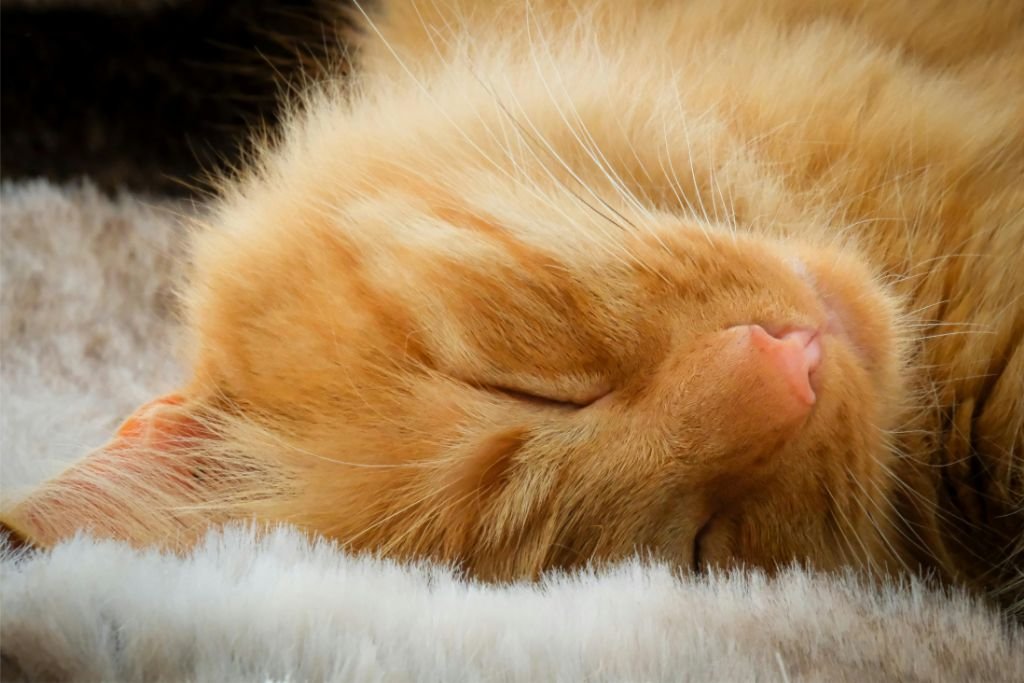
Thus, there is no doubt about it that Maine Coone cats are not hypoallergenic nor is it correct to claim that there are fully hypoallergenic cats.Maine Coons produce Fel d 1 just like every other cat breeds. In fact, due to their size and thicker fur, they are able to spread more dander and allergens to the surroundings.
Nevertheless, several people give conflicting narratives. Some allergy sufferers report feeling less symptoms around Maine Coons, while others react the same way they would to any other cat.
Thus, the truth is:
- Maine Coons are not hypoallergenic.
- Some people might be able to put up with them more.
This is more about the individual’s immune system than the breed.
Do Maine Coons Produce Less Fel d 1
There are not any strong evidence indicating Maine Coons produce less Fel d 1 than other breeds. The production of Fel d 1 differs from cat to cat, rather than from breed to breed.
Here are some factors that affect the production of Fel d 1:
- Sex of the cat (females usually produce less)
- Neutering status
- Grooming habits
- Health
This means that two Maine Coons from the same breeder can produce completely different reactions in the same person.
Maine Coon vs Other Cat Breeds
| Breed | Allergy Friendliness |
| Siberian | High |
| Balinese | High |
| Bengal | Medium |
| Maine Coon | Low–Medium |
| Persian | Low |
| British Shorthair | Low |
Maine Coons are not among the most allergy-friendly breeds. If allergies are your primary concern, Siberian or Balinese cats are generally better options.
Why Some Allergy Sufferers Still Choose Maine Coons
Many allergy sufferers are able to live with Maine Coons quite comfortably, even with the known cat allergens, and many times this is due to managing their environment rather than the cat breed.
Typical cats include:
- Less dander with Regular cat grooming.
- Dander trapped with Purifiers
- Everyone copes more as time passes.
- Each cat makes a different amount of Fel d 1.
Often, Maine Coons are not special; rather, their environment is managed well.
How to Reduce Allergens If You Own a Maine Coon
Managing a Maine Coon dander sensitivity is possible and so is the Maine Coon. Most Maine Coons require daily groom.
- Brush 2 to 3 times a week.
- Remove pet hair and dander.
- If the cat can manage it, try to bathe it once every 30 days.
Video credit: TaLynn Luxury Maine Coons (embedded for educational purposes)
Home Environment
Your home can help manage allergies.
- Get HEPA air filtration systems.
- Use HEPA vacuum bags.
- Wash curtains and bedding every week.
- Try to avoid carpet.
Personal Habits
Your own habits are just as important.
- Wash your hands after petting the cat.
- Avoid touching your face.
- Keep your bedroom cat-free.
Can Allergic People Have a Maine Coon?
This is dependent on the level of your allergies.
You have the option to get a Maine Coon if:
- It’s just a mild allergy.
- You don’t mind frequent brushing.
- You have air purifiers.
You have to avoid Maine Coons if:
- You have asthma.
- You have severe reactions.
- You have a tough time with other animals.
In severe reactions, it’s best to go with a pet that has a reputation of being less allergenic.
Test Before You Adopt (Very Important)
Never make the mistake of committing to a cat, especially a Maine Coon, without testing it first.
Best strategy:
- Go to a breeder or a cat owner.
- Spend a minimum of 1-2 hours with the cat.
- Touch, play, and stay indoors.
- Use an allergy monitoring app for 24 hours.
FAQs
Are Maine Coons good for allergy sufferers?
Sometimes, but not guaranteed.
Are female cats better for allergies?
Yes, females usually produce slightly less Fel d 1.
Are kittens safer for allergies?
No, allergen levels increase as kittens grow.
Conclusion
More hypoallergenic than cats? Maine Coons being hypoallergenic is false. They produce allergy causing proteins. More allergen spreading? Their large sized and long furs can spread more allergens. Proper grooming can improve things. Allair is an air purifier system that can help some allergy sufferers move from the system.
Most important truth is that the breed does not matter, your body decides.